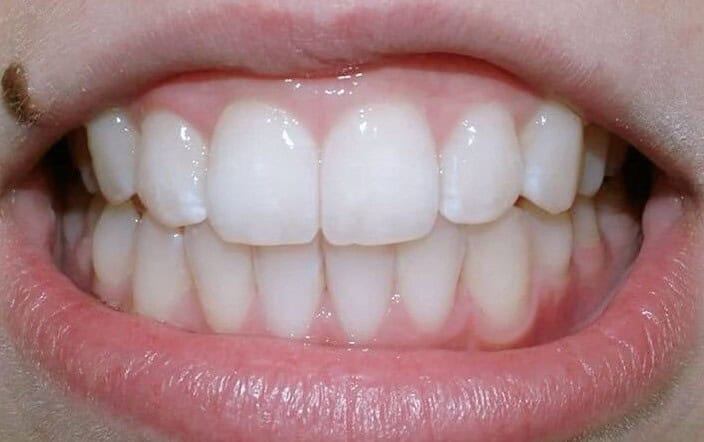
Quick Relief for Sensitive Teeth

For quick relief, use a desensitizing toothpaste, rinse with warm salt water, switch to a soft-bristled toothbrush, and avoid very hot, cold, or acidic foods. If sensitivity lasts more than a few days, see a dentist: it can signal enamel wear, gum recession, or a cavity that needs treatment.
Expert Advice from Dr White Dental Care
Tooth sensitivity can strike at the most inconvenient times, turning a hot cup of coffee or an ice cream into a painful experience. If you’re struggling with sensitive teeth, you’re not alone. Millions of people face this common issue, and it can affect daily life more than you might think.
At Dr White Dental Care, we understand how important quick relief is, so you can enjoy life’s simple pleasures without discomfort. That’s why we’ve put together this guide to remedies that can bring fast comfort.
Start with a desensitizing toothpaste, warm saltwater rinses, and avoiding hot, cold, or acidic foods. Switching to a soft toothbrush also protects your teeth and gums from further irritation. For quick relief, fluoride gel, clove oil, or a cold compress can help.
For lasting results, and to treat the root cause of your sensitivity, visit Dr White Dental Care. We’ll make sure you get the treatment you need, so you can get back to enjoying your favourite foods and drinks.
In this guide, we cover:
The causes of tooth sensitivity
Common triggers and underlying conditions, from enamel erosion and gum recession to lifestyle habits and diet.
Quick remedies to manage pain
Immediate, at-home and over-the-counter options that can ease sensitivity within minutes.
Long-term prevention and treatment
Professional treatments and daily habits that address the root cause and stop sensitivity coming back.
Whether your sensitivity is a minor annoyance or a long-standing problem, this guide gives you clear, practical advice and reassurance to help you enjoy life without dental discomfort.

Understanding Tooth Sensitivity
What is tooth sensitivity?
Tooth sensitivity, medically called dentin hypersensitivity, is sharp, temporary pain in one or more teeth when they meet certain triggers, such as hot or cold drinks, sweet or acidic foods, or even cold air.
It happens when the protective outer layers of the teeth (enamel on the crown, or cementum covering the roots) wear down, exposing the layer beneath, called dentin.
Dentin is porous and full of microscopic tubules that lead to the tooth’s pulp, where the nerves are. When temperature changes or certain foods reach these exposed tubules, the signal travels to the nerve and causes pain.
For quick relief, the key is to cover or calm the exposed dentin and protect your teeth from further irritation.
Common causes of tooth sensitivity
Enamel erosion
Frequent acidic foods and drinks gradually erode enamel and weaken its protective barrier.
Brushing too hard
A hard-bristled brush or too much pressure wears away enamel and gum tissue.
Gum recession
Receding gums expose tooth roots, which have no enamel and react more to triggers.
Tooth decay or damage
Cavities, cracks, or chipped teeth can expose sensitive areas.
Teeth grinding (bruxism)
Regular grinding wears down enamel and exposes dentin.
After dental procedures
Temporary sensitivity can follow fillings, crowns, or whitening while teeth settle.
Understanding these causes helps you take practical steps to treat or prevent sensitivity.

Instant Relief for Sensitive Teeth
Tooth sensitivity can cause sudden, sharp discomfort, making eating, drinking, or even talking unpleasant. These remedies can help you manage it at home:
Rinse with warm salt water
Salt water is a natural antiseptic that reduces inflammation, soothes irritated gums, and makes the mouth less friendly to bacteria.
How to use: mix ½ teaspoon of salt in a glass of warm water, swish for 30 seconds focusing on sensitive areas, spit it out, and don’t rinse with plain water straight after. Repeat 2–3 times a day.
Apply a desensitizing toothpaste
Ingredients like potassium nitrate calm the tooth nerve, while stannous fluoride strengthens enamel and reduces sensitivity over time.
How to use: dab a little directly on the sensitive area with your fingertip, leave it for 1–2 minutes, then rinse gently. For lasting results, use it instead of your regular toothpaste.
Use a fluoride mouthwash
Fluoride helps rebuild weakened enamel and forms a protective layer over exposed dentin.
How to use: rinse after brushing once or twice a day, then avoid eating or drinking for 30 minutes so the fluoride can coat the teeth.
Avoid trigger foods and drinks
Common culprits are very hot or cold items (coffee, tea, ice cream, chilled water), acidic foods and drinks (citrus, vinegar dressings, soda, wine), and sugary snacks.
Tip: if you have acidic drinks, use a straw to limit contact with your teeth.
Use a soft-bristled toothbrush
Hard bristles or heavy brushing wear down enamel and irritate gums, making sensitivity worse.
How to use: brush in small, gentle circles rather than scrubbing, take extra care near the gumline, and replace your brush every 3–4 months.
Apply clove oil
Clove oil contains eugenol, a natural compound that numbs pain and calms inflammation.
How to use: dab a little on the sensitive area with a cotton swab, or mix a few drops with a carrier oil such as coconut oil and massage gently onto the gums. Use once or twice a day for temporary relief.
Try over-the-counter pain relief
For severe or ongoing sensitivity, pain relievers such as ibuprofen or paracetamol can ease pain.
How to use: follow the dose on the pack or ask a healthcare professional. Don’t rely on painkillers for long; ongoing pain should be checked by a dentist.

Long-Term Solutions for Tooth Sensitivity
Quick remedies give temporary relief, but treating the root cause is essential for lasting comfort and strong, healthy teeth. These long-term solutions help protect your enamel, prevent further damage, and reduce sensitivity over time:
1. Professional fluoride treatment
Fluoride strengthens enamel and reduces sensitivity by remineralising weak areas. A professional application contains more fluoride than over-the-counter products.
How it works: a fluoride gel, foam, or varnish is painted onto the teeth in a quick, painless visit.
Ideal for: enamel erosion, acid reflux, frequent cavities, or sensitivity after whitening.
2. Dental bonding
For exposed roots or worn enamel, a tooth-coloured resin covers and seals the sensitive area.
How it works: composite resin is applied to the exposed dentin and hardened with a special light.
Ideal for: minor enamel wear, exposed roots, or chipped and cracked teeth.
3. Gum grafting
Gum recession exposes the root, which has no enamel. A gum graft restores lost gum tissue and covers the root.
How it works: a small piece of healthy gum tissue is grafted onto the affected area to rebuild the gumline.
Ideal for: advanced gum recession from gum disease, overbrushing, or ageing.
4. Custom night guard
Teeth grinding (bruxism) wears enamel, can fracture teeth, and increases sensitivity. A night guard prevents this damage.
How it works: a custom-fit guard is worn while sleeping to stop grinding and take pressure off the teeth.
Ideal for: grinding or clenching habits, jaw (TMJ) problems, or stress-related bruxism.
5. Dental sealants
Thin protective coatings on the chewing surfaces reduce sensitivity and decay. They suit adults as well as children, especially with deep grooves in the molars.
How it works: a liquid sealant is brushed on and hardened, forming a barrier against food, bacteria, and acids.
Ideal for: deep grooves, frequent cavities, or early enamel wear.
6. Replace damaged fillings or crowns
Old or worn dental work can leave tooth structure exposed. Replacing it restores proper coverage and protection.
How it works: the old filling or crown is removed and replaced with a new, well-fitted one.
Ideal for: cracked, loose, or leaking fillings and crowns.
7. Treat underlying oral health problems
Sensitivity can be a symptom of cavities, gum disease, or infection. Regular check-ups catch these early, before they get worse.
How it works: regular exams, X-rays, and professional cleanings detect and treat problems early.
Ideal for: everyone; preventive care is key to long-term oral health.

How to Prevent Sensitive Teeth Pain
Prevention is always better than cure. These habits help you avoid the discomfort of sensitive teeth:
Keep a healthy oral care routine
✓ Brush twice daily with a soft-bristled brush and a toothpaste for sensitive teeth, gently.
✓ Floss daily to remove plaque and food that lead to decay and gum problems.
✓ Use a mouthwash: choose an alcohol-free, fluoride one.
Watch your diet
✓ Limit acidic foods and drinks like citrus, soda, and vinegar-based foods; rinse with water afterwards.
✓ Avoid sugary snacks; choose fresh fruit or nuts instead.
✓ Drink plenty of water to wash away food and balance your mouth’s pH.
Avoid harmful habits
✓ Don’t grind your teeth; if you do, a night guard can prevent damage.
✓ Quit smoking: it contributes to gum recession and enamel damage.
Schedule Regular Dental Check-Ups
Visiting Dr White Dental Care every 6 months is one of the most important steps for good oral health. Routine check-ups let our experienced team monitor your teeth closely and catch problems early.
At each visit, we examine your teeth, gums, and mouth for signs of decay, gum disease, enamel wear, or other conditions, and a professional cleaning removes plaque and tartar that brushing and flossing can miss.
We take time to understand your dental needs and lifestyle, and offer tailored advice, whether that’s fluoride treatment, sealants, or simply the best hygiene routine for you.
Regular visits stop small issues becoming major problems, saving you time, discomfort, and expense later. Don’t wait for sensitivity to disrupt your life: book your next check-up at our Madinaguda or Nizampet clinic.
When to See a Dentist
Home remedies can ease sensitivity for a while, but ignoring ongoing symptoms can lead to bigger problems. See a dentist if you notice any of these signs:
1. Sensitivity lasts more than a few days
Occasional sensitivity is common, but discomfort that lingers or gets worse can point to enamel erosion, cavities, or gum disease.
2. Sharp, severe pain
Intense, shooting pain that affects eating or daily life can mean an exposed nerve, deep decay, or an abscess. See a dentist right away.
3. Visible damage to teeth or gums
Cracks, chips, or receding gums expose sensitive layers. Bonding, crowns, or gum treatment may be needed.
4. Signs of infection
Swelling, redness, tenderness, or pus around a tooth signal infection, which can spread if untreated. Antibiotics or root canal treatment may be required.
How Dr White Dental Care can help
Our team focuses on finding the root cause of your sensitivity and offering personalised treatment options, from desensitizing treatments to protective restorations and gum care, to help you keep your teeth healthy and comfortable.
Conclusion
Tooth sensitivity can be frustrating and painful, but it doesn’t have to stop you enjoying hot coffee or ice cream. Understanding the cause, such as enamel erosion or gum recession, is the first step to lasting comfort.
At Dr White Dental Care, we combine simple home care with professional treatment to bring quick relief and focus on long-term prevention, so you can smile, eat, and drink with confidence again.
Don’t let sensitivity limit your life
Book a visit for a check-up and a treatment plan tailored to your teeth.
Frequently Asked Questions About Tooth Sensitivity
What causes tooth sensitivity?
Tooth sensitivity happens when enamel wears down or gums recede, exposing the dentin and nerve endings. Common causes include enamel erosion, gum recession, cavities, teeth grinding, and overuse of whitening products.
How can Dr White Dental Care help with my sensitive teeth?
We first find the cause, then recommend the right treatment, such as fluoride applications, desensitizing treatments, dental bonding, or gum treatment.
Can tooth sensitivity be cured permanently?
Sensitivity can usually be managed well, but the treatment depends on the cause. Long-term options include fluoride applications, dental bonding, and, where gums have receded, gum grafting.
What toothpaste is best for sensitive teeth?
A desensitizing toothpaste with potassium nitrate or stannous fluoride is usually best. Our team can suggest the right one for your needs.
Does professional fluoride treatment help with sensitivity?
Yes. Fluoride strengthens enamel and helps block the pathways to the nerve, and a professional application gives longer-lasting relief than home products.
Can teeth whitening increase sensitivity?
Yes, some whitening treatments cause temporary sensitivity. We can suggest ways to reduce it while still achieving a brighter smile. See our teeth whitening guide.
Should I avoid hot and cold foods if I have sensitive teeth?
Avoiding extreme temperatures helps manage discomfort, but treatment can reduce your sensitivity so you can enjoy your favourite foods again.
How can I prevent tooth sensitivity?
Keep good oral hygiene, use a soft-bristled toothbrush, avoid acidic foods, and visit your dentist regularly for check-ups.
Is tooth sensitivity a sign of a cavity?
It can be. Sensitivity to sweets or temperature changes may indicate a cavity. A check-up can diagnose and treat it before it causes severe pain.
Can gum disease cause tooth sensitivity?
Yes. Gum disease can lead to gum recession, which exposes tooth roots and increases sensitivity. Gum treatment helps protect your teeth and gums.
How does gum recession contribute to sensitivity?
When gums recede, they expose the tooth roots, which have no protective enamel. Gum treatment, including gum grafting where suitable, can cover exposed roots and reduce discomfort.
What home remedies can I use for quick relief from tooth sensitivity?
Rinsing with warm salt water, using clove oil, or applying a fluoride gel can help. For long-term relief, visit a dentist for a personalised treatment plan.
Why do my teeth hurt after eating sweets?
Sugar can trigger sensitivity if you have enamel erosion or cavities. A dental check-up can find the cause and the right treatment.
Does using a soft-bristled toothbrush help?
Yes. A soft-bristled brush prevents further enamel wear and gum damage, and we can show you the best brushing technique to protect your teeth.
Can stress or teeth grinding cause sensitivity?
Yes. Grinding (bruxism) wears down enamel and increases sensitivity. A custom night guard can prevent damage and reduce discomfort.
How often should I visit Dr White Dental Care for check-ups?
We recommend every six months for routine cleanings and exams. Regular check-ups help prevent and manage sensitivity before it becomes a major issue.
Is tooth sensitivity common after dental procedures?
Yes. Temporary sensitivity can occur after fillings, crowns, or whitening. We give clear aftercare guidance to help you manage any discomfort.
What foods should I avoid if I have sensitive teeth?
Acidic, sugary, and very hot or cold foods can aggravate sensitivity. We can give you dietary tips to protect your enamel.
Can dental sealants help with sensitivity?
Yes. Sealants protect teeth from decay and external triggers by creating a barrier over the chewing surfaces.
How do I schedule an appointment with Dr White Dental Care?
Call our Madinaguda clinic on +91 90000 16118 or our Nizampet clinic on +91 98480 85789, message us on WhatsApp, or use the Book Appointment button on this page.